+30%
organic traffic in 2 months
Search figures verified in Google Search Console.
All case studiesMultilingual SEO
By Abdul Subkhan Published Updated
Organic traffic, indexed to 100
+30%
organic traffic in two months, across four languages
This Volcano Travelers case study covers a tour operator that grew organic traffic 30% in two months across four languages, Italian, French, German and English, and five country markets. The whole lift came from a coordinated blog-only content engine, one keyword strategy per market, with no paid ads, no PR and no site rebuild. Verified in Google Search Console.
+30%
organic traffic in 2 months
Search figures verified in Google Search Console.
4
languages
5
country markets
| Metric | Before | After | Change |
|---|---|---|---|
| Monthly organic traffic (indexed) | 100 | 130 | +30% in 2 months |
| Language markets with a live SEO engine | 0 | 4 | +4 (IT, FR, DE, EN) |
| Country markets targeted | 0 | 5 | +5 (IT, FR, DE, UK, US) |
| Paid ad spend | $0 | $0 | Blog-only, no ads |
Volcano Travelers wanted organic growth in five countries at once, without paid ads and without rebuilding the site. A coordinated multilingual content program lifted organic traffic 30% in two months. The work ran in Italian, French, German and English, with one keyword strategy per market.
Each language market has different search behavior, different competing publishers, and different intent around the same trip. A translated English keyword list misses all of that, because the phrasing an Italian traveller uses to plan a volcano tour is not the phrasing a German traveller uses, and the pages already ranking for each are different too.
Most agencies handle one language. This program needed a separate keyword and content engine per market, coordinated under one strategy, so the growth compounded instead of fragmenting.
The Volcano Travelers case study ran as five separate keyword engines under one strategy. We researched each market in its own language, built a blog-only content programme against the intent that research found, and fixed the technical foundations so the five language versions did not compete with one another.
Tools and stack
Actual local search intent in Italian, French, German and English, not Google Translate of English terms. Intent mapped per market, from "best time to visit" to "tour booking".
Topic clusters (pillar + supporting articles) per language site, tuned to each regional SERP, with internal links across the cluster and CTAs to booking pages.
Correct hreflang tags across language variants, per-locale schema for travel content, and none of the classic traps: duplicate content, wrong country targeting, canonical conflicts.
Real multi-region SEO needs more than hreflang tags and a translated homepage: a separate keyword and content engine per market, under one coordinated strategy. The same architecture applies directly to Shopify and WooCommerce stores selling into multiple regions, where the usual failure is a single keyword list translated five ways.
AI visibility for real estate agents and brokeragesShort answers to what people ask about the Volcano Travelers case study: which five markets were covered, where the 30% traffic lift came from, and whether a blog-only programme can move an ecommerce store the same way. The figures below are from Google Search Console for the two-month period.

Abdul SubkhanFounder. Runs every audit himself.
abdul@citevantage.com
Organic traffic rose 30% in two months, with no paid ads behind it.
The growth came across four languages, Italian, French, German and English, aimed at five country markets: Italy, France, Germany, the UK and the US. All of it came from blog content, run as a separate keyword and content engine per market under one coordinated strategy. The figures are from Google Search Console for the two-month period, and the site's existing structure stayed in place throughout.
Research each market in its own language, then run a separate content engine per language site under one strategy.
An Italian traveller planning a volcano tour phrases the search differently from a German one, and different pages already rank for each, so a translated English keyword list misses both. For Volcano Travelers that meant native-language research in Italian, French, German and English, with intent mapped from "best time to visit" through to tour booking. The pieces that have to be in place:
No, the 30% lift came entirely from blog content and ad spend stayed at $0 throughout.
The site kept its existing structure with no rebuild. A coordinated content programme did the work, with one keyword strategy per market and topic clusters that link internally and send readers through to the booking pages. There was no PR push behind it either, so the two-month window is a fair read of what the content alone produced.
Directly, and the same architecture carries over to Shopify and WooCommerce stores selling into several regions.
The usual failure on a multi-region store is a single keyword list translated five ways, which misses how each market actually phrases the search. The fix is the one Volcano Travelers ran: a separate keyword and content engine per market, coordinated under one strategy so the growth compounds across languages. Hreflang and per-locale schema carry over to a product catalog unchanged.

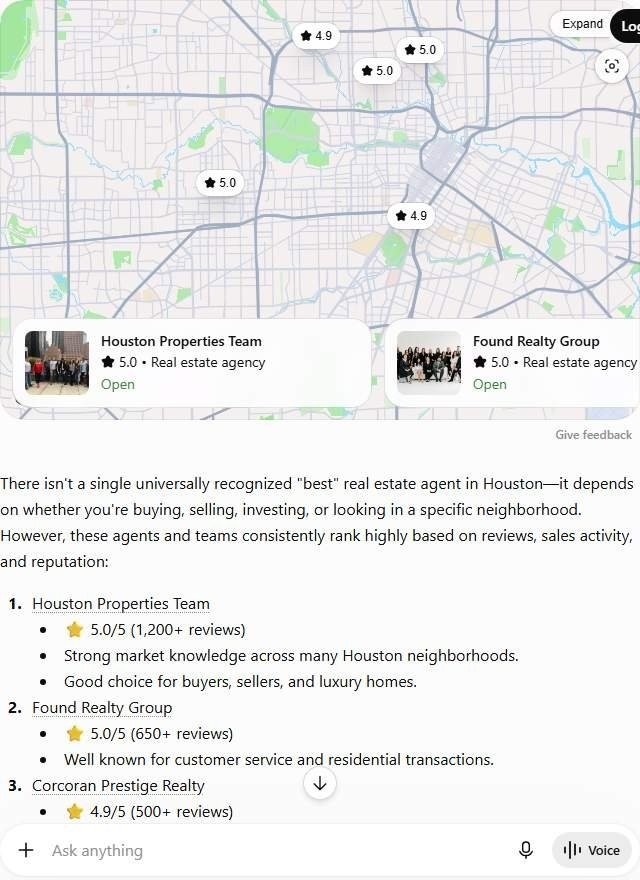 Nine named. None of them you.
CiteVantage Assistant
AI assistant. For anything serious: abdul@citevantage.com