Glossary
What does AEO stand for? And GEO, and why people mix them up
AEO stands for Answer Engine Optimization. GEO stands for Generative Engine Optimization. People mix them up constantly, including the people selling both, so this page settles what each one means and defines the rest of the vocabulary in plain English.
terms, defined in plain English
AEO is the source layer that feeds GEO, and both sit on top of the entity work that makes AI trust you.
What does AEO stand for, and what does GEO stand for?
GEO stands for Generative Engine Optimization, the work of getting AI engines to name and cite your brand. AEO stands for Answer Engine Optimization, the work of writing a page so an engine can extract a clean answer from it and credit you for that answer. The terms below are the rest of that vocabulary.
Generative Engine Optimization (GEO)
Generative Engine Optimization (GEO) is the practice of structuring and earning content so AI answer engines like ChatGPT, Gemini, Google AI Overviews and Perplexity name and cite your brand inside the answers they write. It works on the whole entity: your pages, your schema, and the third-party sources AI trusts.
Answer Engine Optimization (AEO)
Answer Engine Optimization (AEO) is the practice of writing a page so an answer engine can extract a clean, correct answer and attribute it to you. It is the source layer beneath GEO: clear questions, self-contained answers, and structured data that let the engine quote you with almost no effort.
AI citation
An AI citation is the moment an AI answer explicitly names your website as a source for a claim it makes, usually with a link back to your page. It is the strongest form of AI visibility, because the engine is telling the reader that your brand is where the answer came from.
Brand mention
A brand mention is when an AI answer refers to your company by name in its text without necessarily linking your site as the source. It is a weaker signal than a citation, but it still puts you on the buyer’s shortlist and often precedes a full citation as the engine’s trust in you grows.
AI Overview
An AI Overview is Google’s AI-generated answer shown above the traditional blue links, stitched together from web sources it names and cites. It appears for a growing share of searches and often settles the buyer’s question before they scroll, so being one of the sources it pulls from is now a core visibility goal.
Answer capsule
An answer capsule is a self-contained 40 to 60 word answer placed at the top of a page or section, written to stand alone with no surrounding context needed. It is the exact snippet AI engines prefer to extract and quote, so leading with one is the simplest way to earn citations.
llms.txt
llms.txt is a plain-text file placed at the root of your site that hands AI crawlers a curated map and short summary of your most important pages. It lowers the effort an engine spends finding and understanding your content, so your key pages are more likely to be read, trusted, and cited.
Structured data (schema)
Structured data, also called schema, is machine-readable JSON-LD markup such as Organization, FAQPage, and Article that labels the facts on your page for engines. It lets an AI parse who you are, what you sell, and what you claim with near-zero effort, which makes your content far easier to extract and cite.
If AEO stands for one thing and GEO another, what is the actual difference?
SEO wins ranked links on Google. AEO gets a clean answer extracted from your page. GEO gets your brand named and cited inside the AI answer itself. AEO is the source layer that feeds GEO, and both sit on top of the entity work that makes AI trust you.
| SEO | AEO | GEO | |
|---|---|---|---|
| What it optimizes for | Ranking blue links on a results page | A clean answer an engine can extract from your page | Being named and cited inside the AI answer |
| The unit that wins | A ranked page | An extractable answer | A cited brand |
| Primary surface | Google search results | Featured snippets and answer boxes | ChatGPT, Gemini, AI Overviews, Perplexity |
| Core signal | Backlinks and keywords | Question-answer structure and schema | Entity authority and cross-source agreement |
| Success metric | Keyword position and clicks | Answer captured for the query | Share of voice in AI answers |
| How they relate | The original discipline | The source layer that feeds GEO | The outcome AEO and entity work produce |

This GEO and AEO glossary is the theory. The audit is your actual score.
Two fields. We run your buyers' real questions across ChatGPT, Gemini, Perplexity and Google AI Overviews, screenshot every answer and email the report inside 48 hours. If you are already in the answer, the report says so.
Prefer to talk first? 15 minutes with Abdul, not a sales rep.
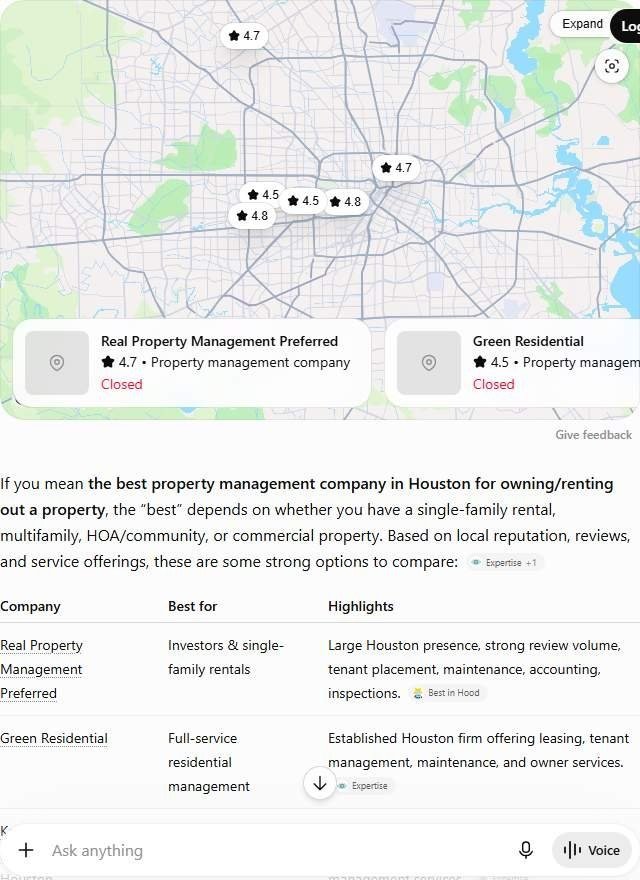
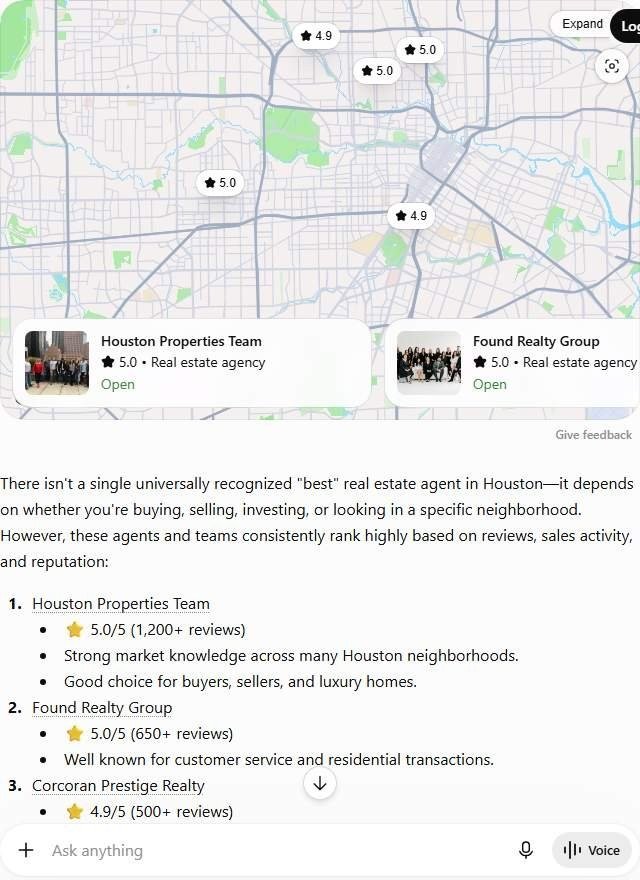 Three named. None of them you.