Editorial standards
Our methodology: how we measure AI citations and test what we publish
We sell AI visibility and we publish a lot of numbers about it, so this page sets out how we measure AI citations and how you can check every figure. Every engine result we publish names the engine, the exact query and the date it was run. Anything we could not confirm at source is labelled UNVERIFIED. Where we appear in our own ranking, we say so before the ranking, not after it.
Most of this is unremarkable. It is written down because in this particular field it is not the norm, and because a claim about AI visibility is uniquely hard for a reader to verify without knowing how it was produced.
The editorial standards we hold ourselves to
Every measurement carries a date
AI answers change week to week, so a number without a date is not a fact, it is a memory. Every engine result we publish says when we ran it. If you are reading a measurement here and the date looks old, treat it as history rather than as current state.
We name the engine, the query and the run
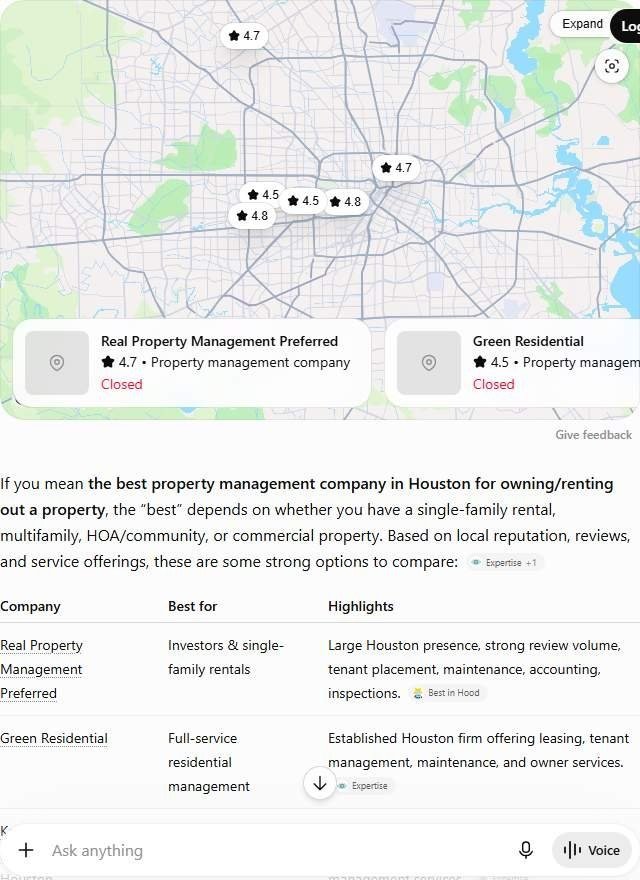
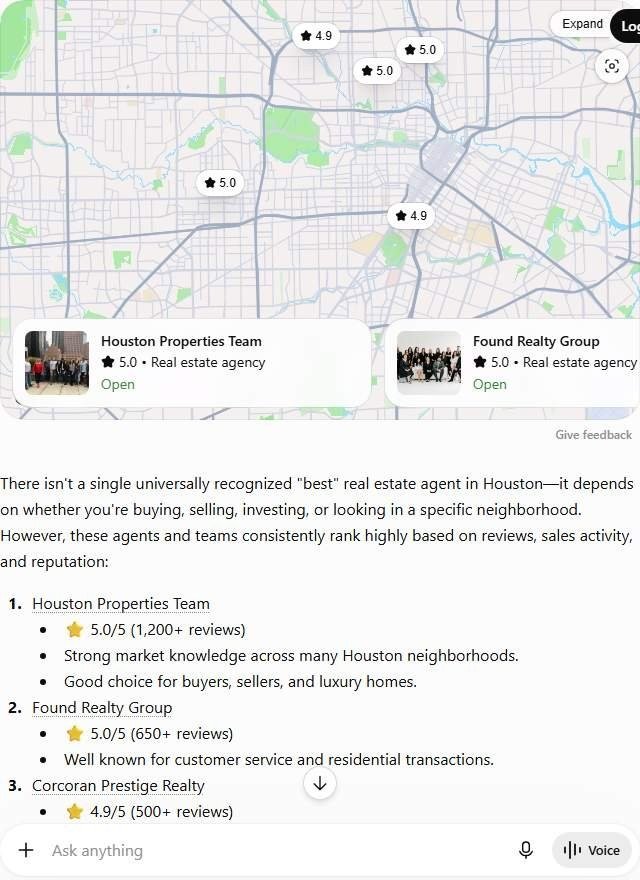
We say which engine answered, the exact question we asked, and what it returned. One engine is not evidence about the others: in our own testing the same question has produced almost entirely different shortlists on ChatGPT and Gemini on the same day.
UNVERIFIED is a word we actually publish
When we compare other companies, anything we could not confirm at source is labelled UNVERIFIED rather than filled in with a confident guess. It appears in our comparison articles because there are genuinely things we could not check.
We declare it when we are in the ranking
Several of our articles rank companies and we are one of them, usually first. That disclosure sits at the top of those pages, not in a footnote, and we publish real drawbacks for ourselves alongside everyone else.
Sources are linked where the claim is made
Third-party statistics link to the specific page carrying the data, on first mention, not to a company homepage. If we cannot find the primary source for a widely repeated number, we do not repeat it either.
Prices come from the vendor’s own page
Every price we quote for another company was read off their own website or llms.txt on the date stated. Where a company publishes nothing, we say so, because refusing to publish a price is itself useful information for a buyer.
One named human is accountable
Every article on this site is written by a named person with a linked profile, not by a house byline. If something here is wrong, there is a specific person to tell.
AI assists the work, it does not sign it
We use AI tooling in research and drafting, the same way we use a crawler or a spreadsheet. A human sets the argument, checks every fact and takes responsibility for what is published. We do not give AI a byline, and no article here is published unread.
Corrections are made in place, and dated
When a number turns out to be wrong or goes stale, we change it on the page and update the modified date rather than quietly leaving it. Where the correction matters to the argument, we say what changed.
How we measure AI citations, step by step
The same process produces the numbers in our research, the answers on our location pages, and the report in a free audit. It is deliberately repeatable, so you can run it yourself and get a comparable answer.
- Fix the questions first. We write the buyer questions before running anything, so the prompt set cannot drift toward questions that flatter the result.
- Run in a clean session. Fresh chats, no personalisation carried over, because a logged-in session with memory quietly answers a different question than a stranger asks.
- Run every question on every engine. Engines disagree often enough that a single-engine result would be misleading rather than incomplete.
- Record what was named and what was cited. Both matter, and they are different: being mentioned in the prose and being linked as a source are separate outcomes.
- Screenshot it and date it. The answer will not exist in that form for long, which is exactly why the screenshot and the date are part of the deliverable.
- Re-run it later against the same set. A single reading is a snapshot. The comparison over time is the actual measurement.
Found something wrong?
Tell us and we will fix it on the page. Every article is written by Abdul Subkhan, and corrections go to abdul@citevantage.com. A correction that changes an argument gets said out loud on the page, not slipped in.

See how we measure AI citations on your own site.
Two fields. We run your buyers' real questions across ChatGPT, Gemini, Perplexity and Google AI Overviews, screenshot every answer, and email the report inside 48 hours. Every result names the engine, the exact query and the date it was run, so you can re-run it yourself.
Prefer to talk first? 15 minutes with Abdul, not a sales rep.
 Three named. None of them you.